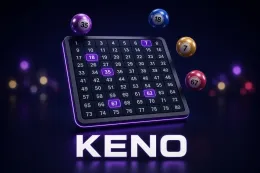
Keno is a draw game. You mark numbers on a card, the game draws numbers at random, and your payout depends on how many of your picks match the draw. It is simple to follow, but each version has its own paytable, so the same picks can pay very differently from one game to the next. This page explains how keno works, its common variants, how computer and live versions differ, and what to check at PlayOJO before you join.
Common keno variants
Keno is sold under many names, and the versions differ mainly in their paytables and extra features. The common variants include Lightning Box Keno, Lucky 8 Keno, Dragon Power Keno, Cleopatra Keno, Caveman Keno, Prairie Thunder Keno, Coin Collector Keno, Buy A Ball Keno, Egyptian Magic Keno, Keno (GamesOS), Keno (Pragmatic), Kenotopia, Keno Powerball, Keno Deluxe, Age Of The Gods Keno, Jelly Kenooo and Dragon's Charm Kenooo. Some add a bonus ball or a multiplier on top of the basic draw, while others keep the classic grid of 80 numbers with 20 drawn. Names and paytables change between providers, so compare the version itself, not only its title.
Check which keno games PlayOJO offers before you join. You can also browse other games on this site to compare how similar titles are presented.
How keno works
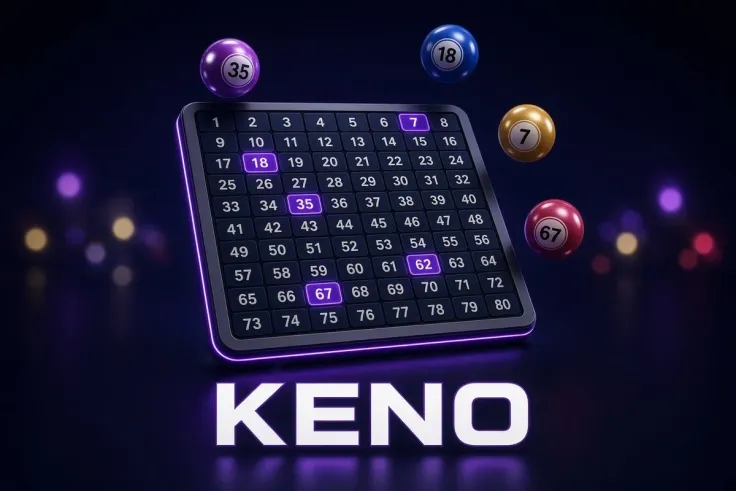
In the classic version, you mark numbers on a card, usually from 1 to 80. The game then draws its numbers, and each drawn number that matches one of your picks counts as a hit. The paytable sets the payout for each number of hits, so the result depends on how many numbers you picked and how many matched, not on the order of the draw.
The paytable is the key part of any keno version. Read it before you play, because the maximum win and the payout for each hit count are set there and differ between variants. If a version adds a multiplier or a bonus ball, read how that feature applies before you rely on it.
Each draw is random. Nothing that happened in earlier rounds changes the next draw, and no pattern in past numbers predicts what comes next.
19+ · T&Cs apply
Computer keno compared with live keno

In a computer version, a random number generator produces each draw on your screen, and a round takes only seconds. In a live version, a studio draws the numbers, often with a physical machine and a host, and the draw is streamed to your screen. The rules and the paytable work the same way in both, but a live draw is shown by a person and a camera rather than generated in software.
PlayOJO also offers live casino games. You can compare the formats on the live casino page. A live game show has a host and a fixed format, while a live table has a dealer and its own betting limits, so check the rules of whichever format you choose.
Practical tips before you play

Read the paytable and the rules of the exact version you pick before you join, because two games with similar names can pay differently. Decide on a budget for the session and a stake you can comfortably lose, and stop when you reach your limit. Systems that change your stake after each loss, such as Martingale, look logical on paper, but they do not change the odds of any draw.
If you play on a phone, compare the mobile version with the iPhone and Android apps, and check which games each one offers.